
I didn’t delete my Amazon account because of a single bad experience, nor was it some impulsive decision fueled by momentary frustration; it was the cumulative result of years of increasingly questionable practices that, taken individually, might seem tolerable, but together paint a picture that is difficult to ignore once you start paying attention.
For a long time, I chose convenience over principle, brushing off each issue as an isolated incident, telling myself that this was simply the cost of shopping online as an international customer, but eventually, the pattern became too obvious — and too costly — to keep pretending otherwise.
The Import Fees Problem: Paying Blindfolded
One of the earliest and most persistent issues I encountered with Amazon was the complete lack of transparency when it comes to import fees. Every time I placed an order from abroad, I was required to pay a substantial amount upfront under the label of “estimated import fees,” which, in theory, sounds reasonable—until you realize that there is absolutely no clear mechanism that allows you to understand how those estimates are calculated or how much of that money you are actually entitled to get back.
What makes this particularly frustrating is not just the cost itself, but the uncertainty surrounding it; you are essentially paying hundreds of dollars without any reliable way of predicting whether you will receive a partial refund, a negligible adjustment, or nothing at all, and the process is so opaque that it begins to feel less like a logistical necessity and more like a system designed to quietly overcharge those who lack visibility into how it works.
At some point, it stops feeling like a rough edge of international commerce and starts resembling exploitation, especially for non-American customers who already have fewer alternatives and less protection.
The Refurbished iPhone Incident That Changed Everything
If the import fees were a slow burn, the incident that ultimately pushed me over the edge was far more direct.
I ordered a refurbished iPhone 13 Pro Max for my sister through Amazon.fr, expecting at least a baseline level of quality control. Instead, what she received was a device that, from the very first day, exhibited clear signs of internal issues, including overheating and system warnings indicating that the battery was not genuine.
Those are not minor inconveniences; they are fundamental problems that call into question whether the device was properly inspected at all.
Understandably, my sister was hesitant to initiate a return, and I couldn’t blame her, because dealing with third-party sellers on platforms like Amazon often comes with a very real fear: that you might end up losing both the product and the money, with little recourse if things go wrong.
Eventually, we did return the phone, expecting that the situation would be resolved in a straightforward manner, but what followed was anything but reasonable.
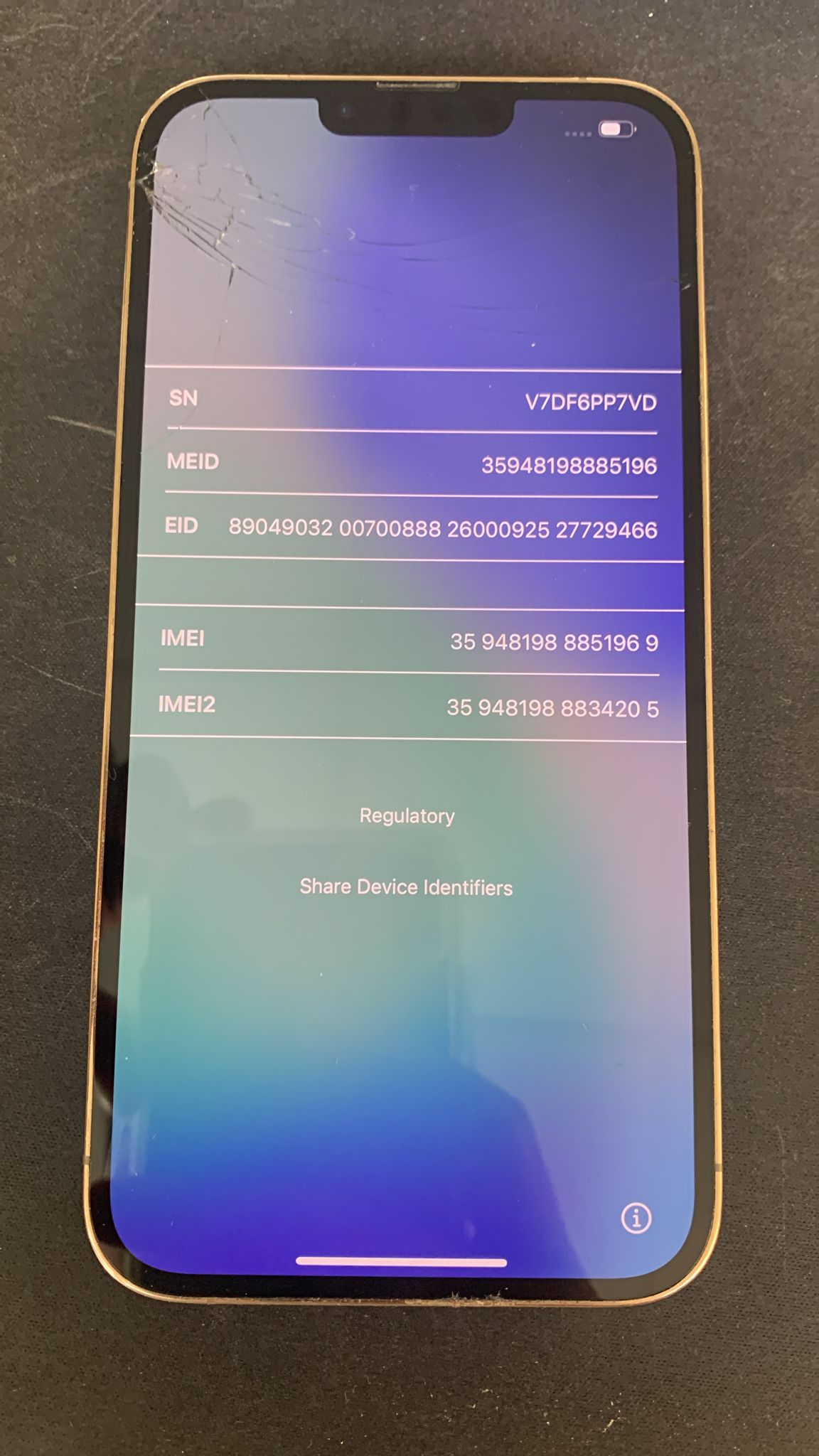
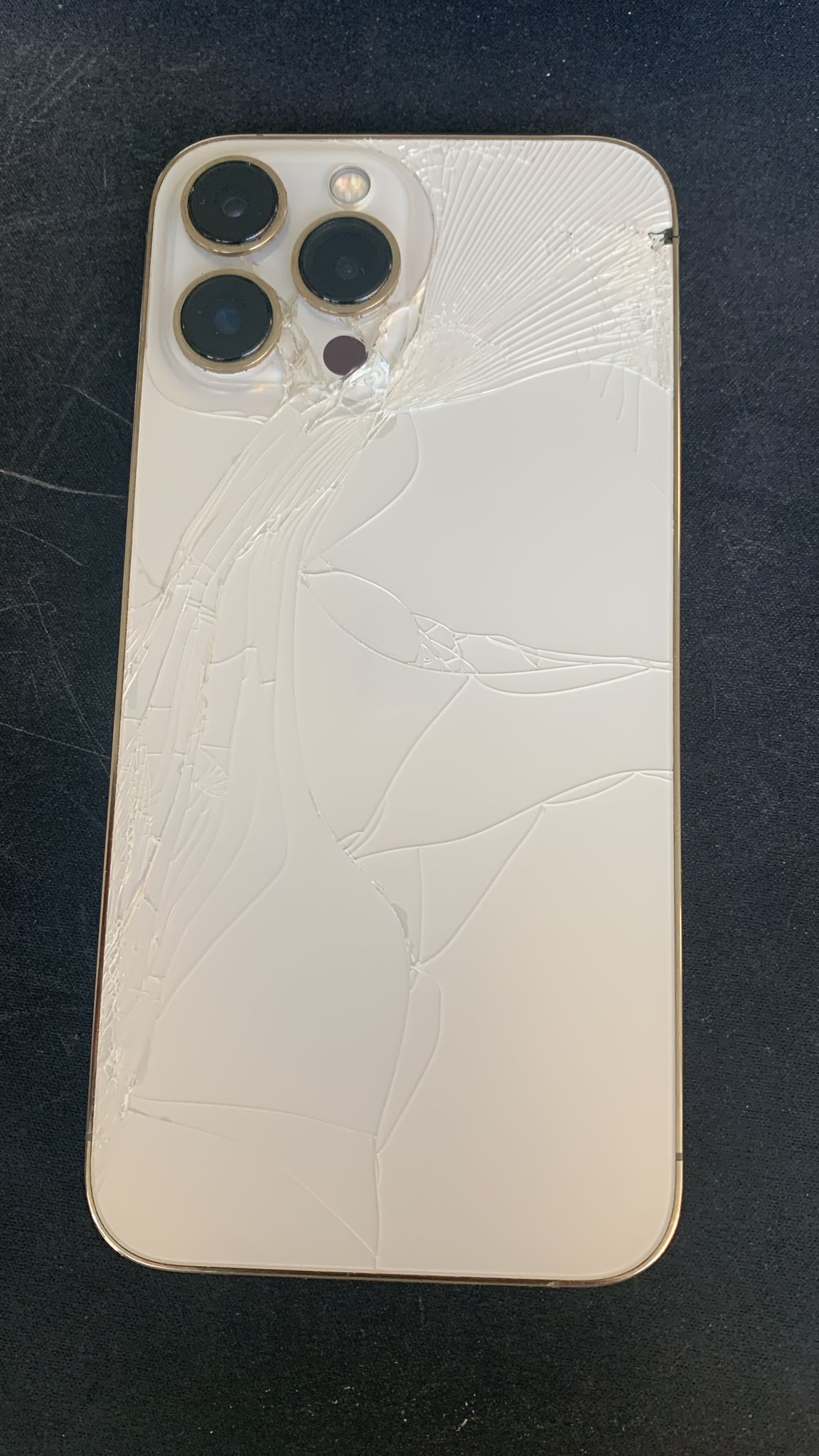
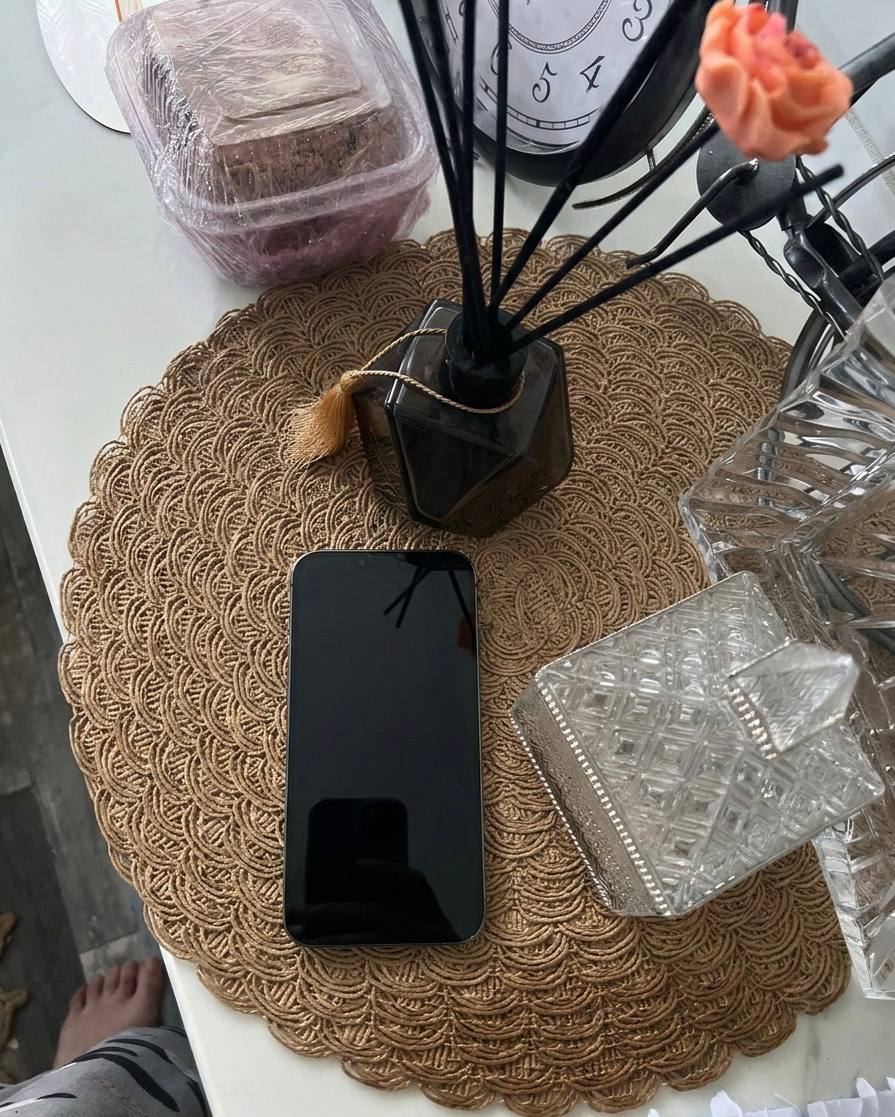

Nine months later, and soon after the seller (Welback Srl – Trustpilot Reviews Score 2.4/5) got the phone back, claimed that the device had sustained “severe damage” and unilaterally decided to issue a partial refund of €262.50 instead of the original €525. Check out the before-and-after photos below:
This decision did not come after any meaningful discussion, nor was it hinted at in prior communication; in fact, throughout the entire exchange leading up to that point, the seller consistently framed the resolution in terms of either repairing the device or providing a replacement, never once suggesting that a partial refund was even on the table.
What happened instead was a complete shift in narrative the moment an opportunity presented itself: the presence of a broken glass panel was suddenly used as justification to withhold half the payment, as though such a repair could plausibly account for that level of financial loss.
That was the moment it became impossible to interpret the situation as anything other than deliberate bad faith.
A Support System That Goes Nowhere
Hoping that Amazon would intervene and correct what was clearly an unfair outcome, I reached out to both the seller and Amazon’s customer support, only to find myself stuck in a loop that was as time-consuming as it was ineffective.
Over the course of a week, I exchanged multiple messages with the seller, whose responses were erratic to the point of being unsettling, switching unpredictably between French and Spanish in a way that felt less like human communication and more like interacting with a poorly configured script.
At the same time, Amazon’s support system proved to be equally unhelpful, as every detailed explanation I provided was met with the same generic response: they needed to wait for the seller to reply.
The problem, of course, is that the seller was replying, and yet each response simply reset the process, triggering another identical message from Amazon and another mandatory waiting period of “two business days,” excluding weekends.
This cycle repeated itself three times over a two-week period, effectively turning what should have been a straightforward dispute into a drawn-out exercise in futility, with no meaningful progress and no sense that anyone was actually addressing the main issue.
Order Manipulation and Hidden Costs
As if these experiences were not enough, there is another pattern I began to notice over time, one that is less obvious but no less frustrating: the partial cancellation of orders in a way that effectively forces customers to place new ones.
On the surface, this might appear to be a logistical hiccup, but the financial implications tell a different story, because each new order comes with its own set of shipping and import fees, turning what should have been a single transaction into multiple charges.
I experienced this firsthand when ordering a Z-Wave/ZigBee USB dongle that used to be part of a different order, where the end result of these cancellations and reorders was that I spent nearly $100 on an item that should have cost significantly less.
Whether intentional or not, the outcome is the same: the customer pays more, and the platform benefits from the fragmentation of what should have been a simple purchase.
Reaching the Breaking Point
For years, I tolerated these issues, rationalizing them as isolated inconveniences rather than symptoms of a broader problem, but there comes a point where continued tolerance starts to feel less like patience and more like complicity.
When I finally stepped back and looked at the pattern as a whole—opaque fees, unreliable sellers, ineffective support, and mechanisms that consistently shift costs onto the customer—the conclusion became unavoidable.
There was no single feature or benefit that justified continuing to engage with a system that operated this way.
Walking Away for Good
So I made a decision that, in hindsight, should have come sooner: I unplugged my Echo Dot (5th Gen), deleted my Amazon account, and removed myself entirely from that ecosystem.
Yes, it means giving up a certain level of convenience, but convenience loses its value when it is paired with a persistent lack of transparency and accountability.
At the end of the day, this was not just about one defective phone or one unfair refund; it was about a pattern of behavior that, once recognized, becomes impossible to justify supporting.
And once you see it clearly, walking away stops feeling like a loss and starts feeling like the only reasonable option.
UPDATE 1:
Because I'm tired of online businesses scamming people like this and getting away with it, I decided to take drastic measures against Welback.com; as we speak, I'm poisoning (using automation, of course) their newsletter with fake-yet-verified emails while also trying to hack into their server running Plesk Obsidian 18.0.77. Their Italian-based hosting provider (SERVEREASY) (along with Amazon, Italian and French consumer protection agencies) also doesn't seem to care that they're allowing a scam business on their servers, and I think Welback is using OVH as their mail service. If you're reading this, and you're up for some hacktivism, feel free to hit them where it hurts, and you can also contact me if you have any helpful technical information about them that can help fuck them up real good. Funny how one of my main jobs as an IT specialist with 20+ years of experience is to protect people from scams, and remove malware from their devices, but I guess it's about time I gave scam businesses like Welback a taste of their own medicine. After all, rising above is overrated when everyone doesn't bother to play fair at all.