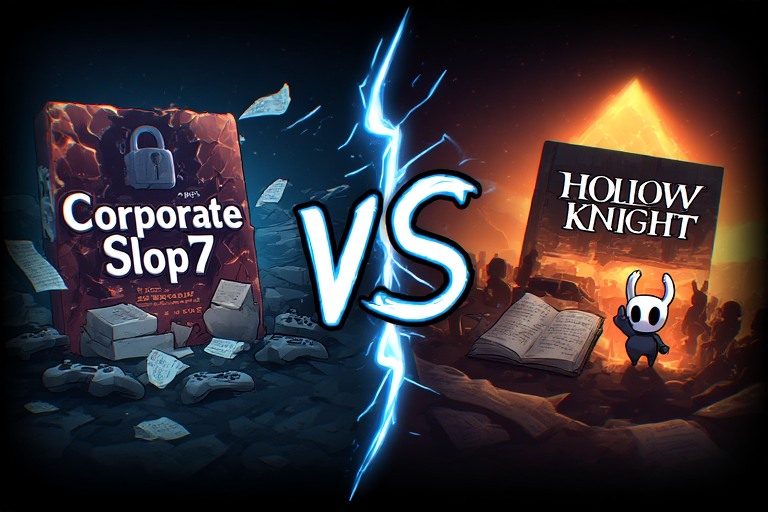
Over the past decade, the gaming industry has increasingly leaned on Digital Rights Management (DRM) tools like Denuvo. While publishers claim DRM protects intellectual property and revenue, the reality tells a different story. From performance issues to consumer backlash, DRM often harms legitimate players more than it stops piracy.
What Denuvo Really Does (and Why Gamers Hate It)
Denuvo is one of the most widely used anti-tamper technologies in modern gaming. Its goal is simple: prevent games from being cracked and pirated during the crucial launch window. However, this protection comes at a cost.
Numerous reports and technical analyses have linked Denuvo to performance degradation, including increased CPU usage, longer loading times, and lower frame rates. In some cases, removing Denuvo has resulted in noticeable performance improvements.
Even worse, DRM often restricts legitimate users. Some implementations require constant online checks, limit modding capabilities, and interfere with ownership rights. Critics argue that DRM “makes the life of a legal customer more difficult” while doing little to stop piracy long-term.
DRM Doesn’t Stop Piracy; It Just Delays It
The core argument for DRM is piracy prevention. But in practice, DRM typically delays cracking by only days or weeks. Many high-profile games protected by Denuvo have been cracked shortly after release, sometimes within days.
This raises an uncomfortable question: if DRM doesn’t truly stop piracy, why is it still used so aggressively?
The answer is simple—short-term profit protection. Publishers aim to maximize sales during launch, even if it means sacrificing long-term player satisfaction.
The Witcher 3: The Ultimate Anti-DRM Argument
If DRM were truly essential for financial success, The Witcher 3: Wild Hunt would have failed. Instead, it became one of the best-selling games of all time, surpassing 50 million copies sold — all without intrusive DRM.
Developed by CD Projekt Red, the game proved that quality, trust, and respect for players outperform restrictive anti-piracy systems. The studio even built its platform, GOG, around a DRM-free philosophy.
This success directly challenges the industry narrative. If a massive AAA RPG can thrive without DRM, then DRM isn’t about necessity—it’s about control and risk aversion.
AAA Publishers and the Rise of Mediocre, Profit-Driven Games
Over the last 10 years, major publishers like EA, Ubisoft, and Square Enix have faced criticism for prioritizing monetization over quality. Many releases launch with aggressive DRM, microtransactions, and poor optimization.
Instead of investing in polished gameplay and innovation, companies often allocate resources to anti-piracy systems and monetization strategies. The result? Games that feel rushed, underdeveloped, and disconnected from player expectations.
Ironically, some publishers even remove Denuvo months after launch—once the initial sales window has passed—suggesting that DRM is only there to secure early profits.
Indie Games Prove Quality Beats DRM
While AAA publishers chase short-term profits, indie developers have taken a different approach: focus on quality, creativity, and community.
Games like Hades, Hollow Knight, and most recently Windrose achieved massive success without relying on intrusive DRM. Instead, they built loyal fanbases by delivering polished experiences and listening to player feedback.
This approach aligns with a simple truth echoed by many gamers: great games sell, regardless of DRM.
DRM Hurts the People Who Actually Pay
One of the biggest criticisms of DRM is that it punishes legitimate customers rather than pirates. Paying players may experience worse performance, connectivity restrictions, and reduced ownership rights—while cracked versions often remove these limitations entirely.
This creates a paradox where pirated versions can offer a better experience than legal ones, undermining the very purpose of DRM. While I'm not a big fan of Gabe Newell for allowing Counter-Strike gambling to go rampant, when he said that piracy was a service issue, he was right. After all, even a broken clock is right twice a day.
The Real Problem: Profit Over Player Experience
Denuvo and similar DRM systems highlight a broader issue within the gaming industry: the prioritization of profit over player experience.
Instead of trusting their audience and investing in quality, many publishers rely on restrictive technologies that damage goodwill. Meanwhile, developers who focus on craftsmanship and community continue to thrive.
Conclusion: The Industry Needs a Shift
The success of DRM-free titles like The Witcher 3 and countless indie hits proves that DRM is not the key to success. Quality, trust, and respect for players are.
If the gaming industry wants to regain consumer trust, it must move away from profit-first strategies and return to what made games great in the first place: great gameplay, strong storytelling, and player-focused design. In other words, more passion and conscientiousness, and less corporate greed.
Until then, Denuvo will remain nothing but a symbol of misplaced priorities.
Addendum: It's Finally Over for Overpriced Security Through Obscurity
In a twist that feels almost inevitable, recent breakthroughs involving hypervisor-based techniques have reportedly demonstrated new ways to bypass Denuvo’s protections. After years of bold claims, premium licensing fees, and the persistent performance complaints from legitimate players, the “uncrackable” shield appears to be anything but permanent. The irony is hard to ignore: despite the overconfidence, the aggressive monetization, and the burden placed on paying customers, Denuvo still faces the same fate as every DRM before it. Given enough time and enough motivation, it crumbles, raising the same question the industry keeps avoiding: was it ever truly worth it?